Sargassum In Cancun And Playa Del Carmen 2026
Everything you Need to Know
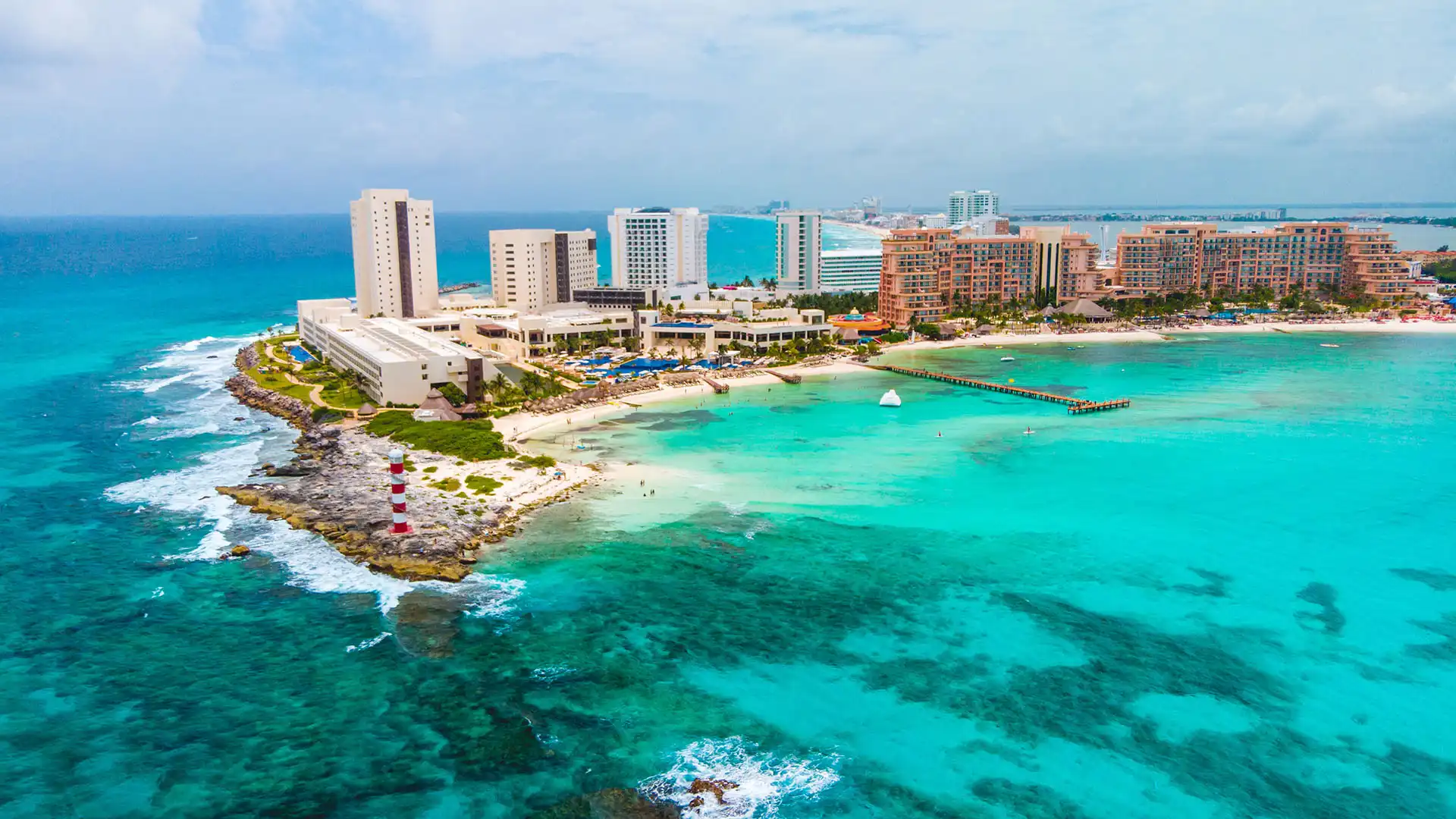
If you are planning a trip to the Mexican Caribbean, you have probably heard about sargassum. This floating brown seaweed has become one of the most discussed topics among travelers visiting Cancun, Playa del Carmen, and the Riviera Maya.
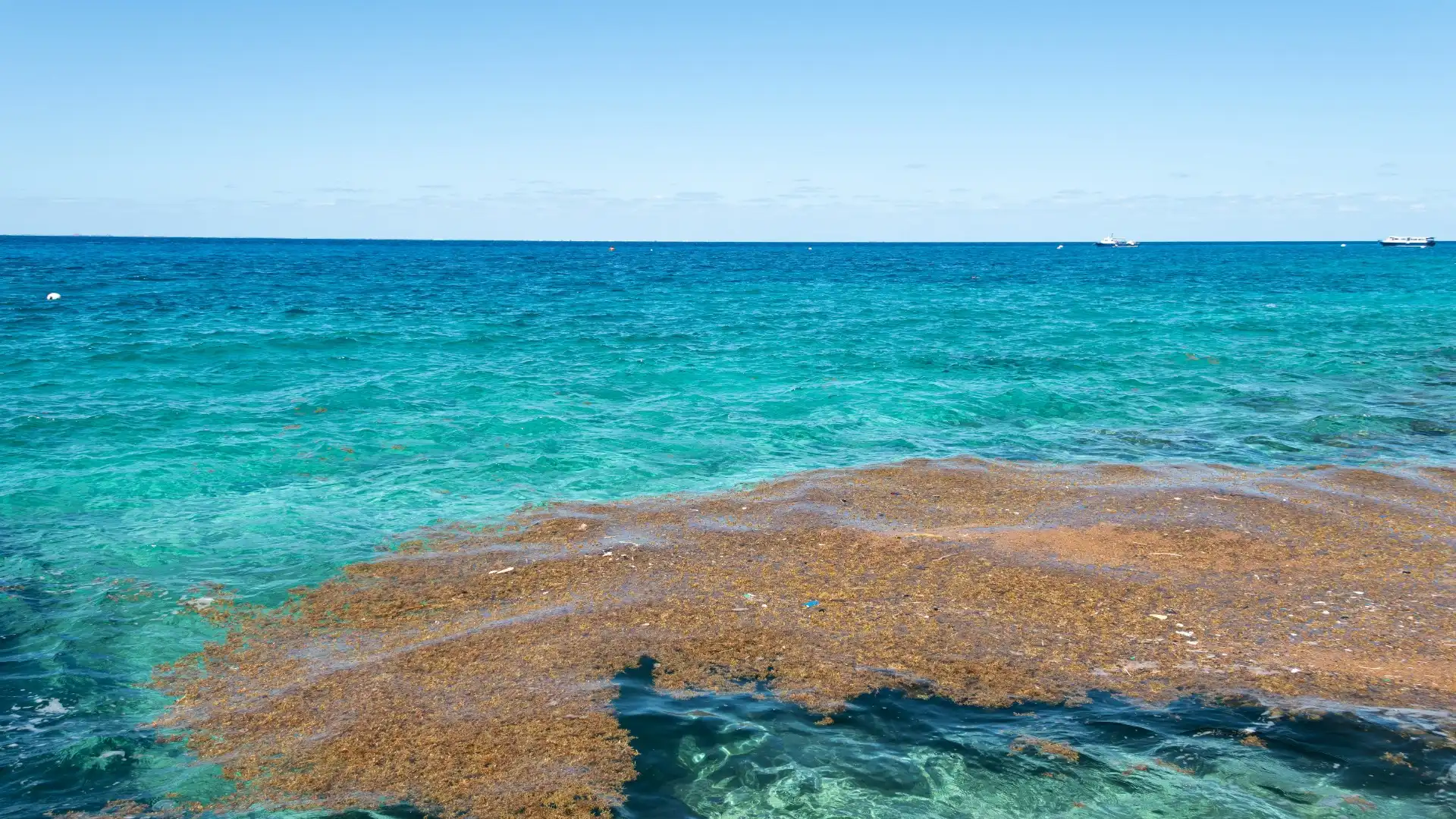
While sargassum in Mexico is a natural phenomenon, the amount reaching the Caribbean coast has increased significantly during the last decade. Large patches of seaweed drift across the Atlantic Ocean before eventually washing onto beaches throughout Quintana Roo.
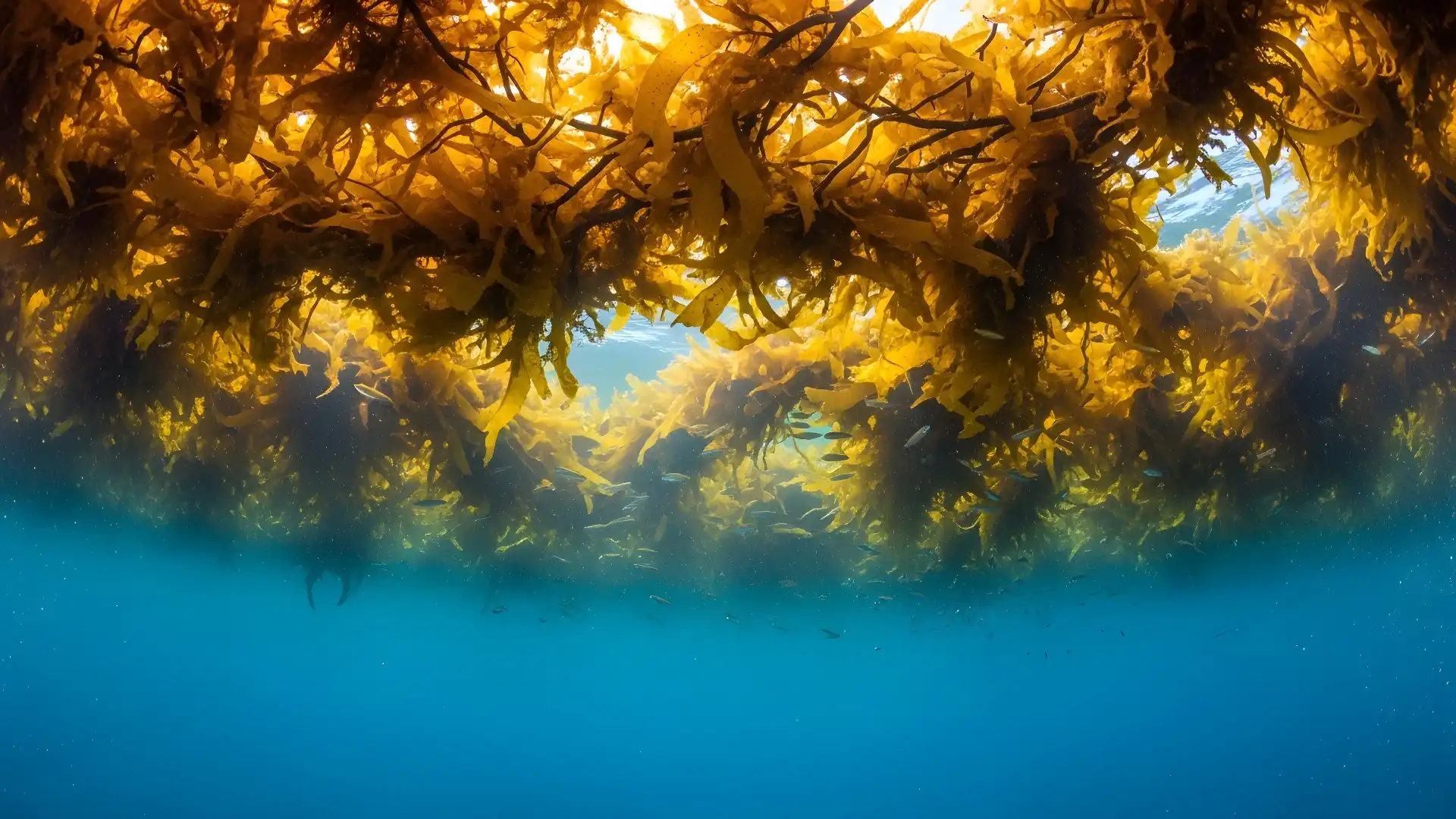
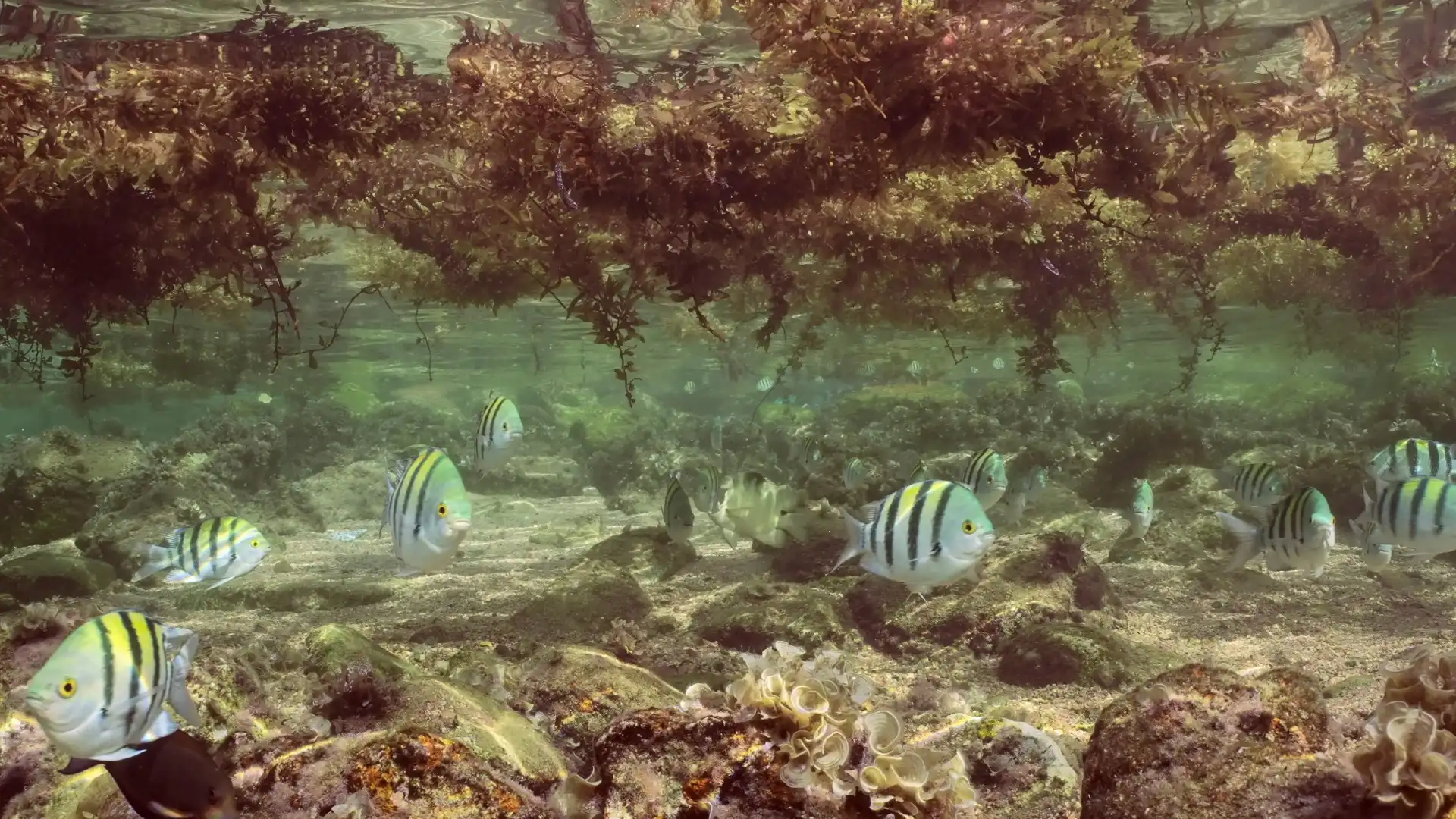
In the open ocean, sargassum plays an important role in marine ecosystems. It provides shelter and food for fish, sea turtles, and many other species. The challenge begins when massive amounts arrive on beaches and start to decompose under the sun.
What Is Sargassum?
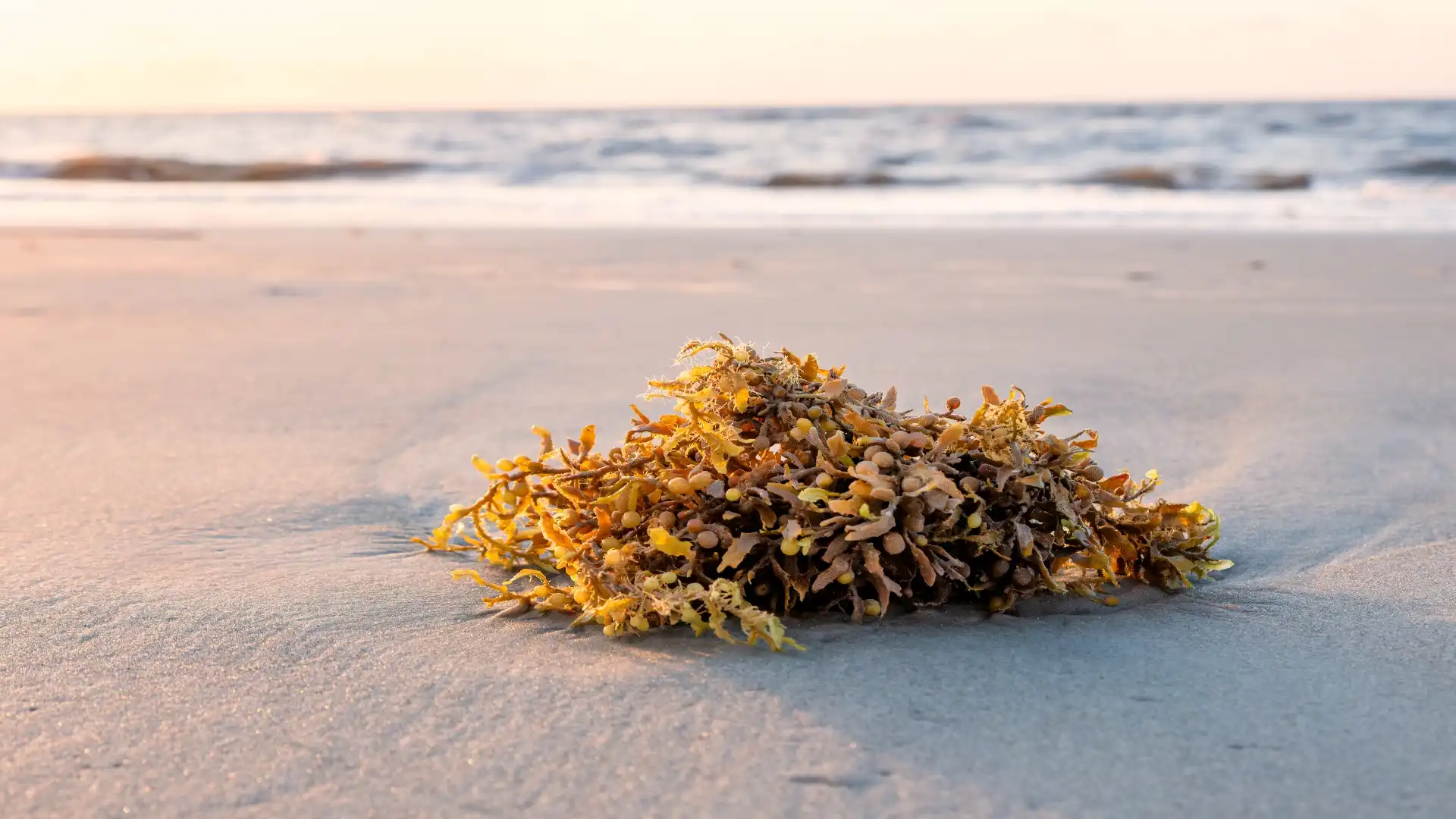
Sargassum is a type of floating brown algae, commonly known as seaweed. Unlike many other types of seaweed that grow attached to rocks or reefs, sargassum floats freely on the ocean surface. It naturally originates in the Sargassum Sea, a unique region of the Atlantic Ocean known for its large concentrations of marine vegetation.
For centuries, sargassum has been part of the ocean ecosystem. However, in recent years, larger amounts have been reaching the Caribbean, creating seasonal challenges for beach destinations throughout Mexico and other Caribbean countries.
Why Is There So Much Sargassum in Mexico?
Scientists believe several factors contribute to the increase in seaweed reaching the Caribbean. Warmer ocean temperatures, changing currents, nutrient-rich runoff from major rivers, and natural climate patterns all appear to influence the growth of sargassum in the Atlantic.
The result is what researchers call the Great Atlantic Sargassum Belt, a massive stretch of floating seaweed that extends across the Atlantic Ocean. Every year, portions of this seaweed are carried toward the Caribbean Sea and eventually reach the beaches of Quintana Roo.
Is Sargassum a Problem in Cancun?
The answer depends on the time of year and the specific beach. Some areas of Cancun may experience noticeable seaweed accumulation, while others remain relatively clear due to ocean currents, wind conditions, and beach cleanup efforts.
Although sargassum can affect the appearance of certain beaches, it rarely impacts an entire vacation. Cancun continues to welcome millions of visitors every year who enjoy its resorts, excursions, restaurants, islands, and attractions despite seasonal seaweed arrivals.
Sargassum Cancun Today
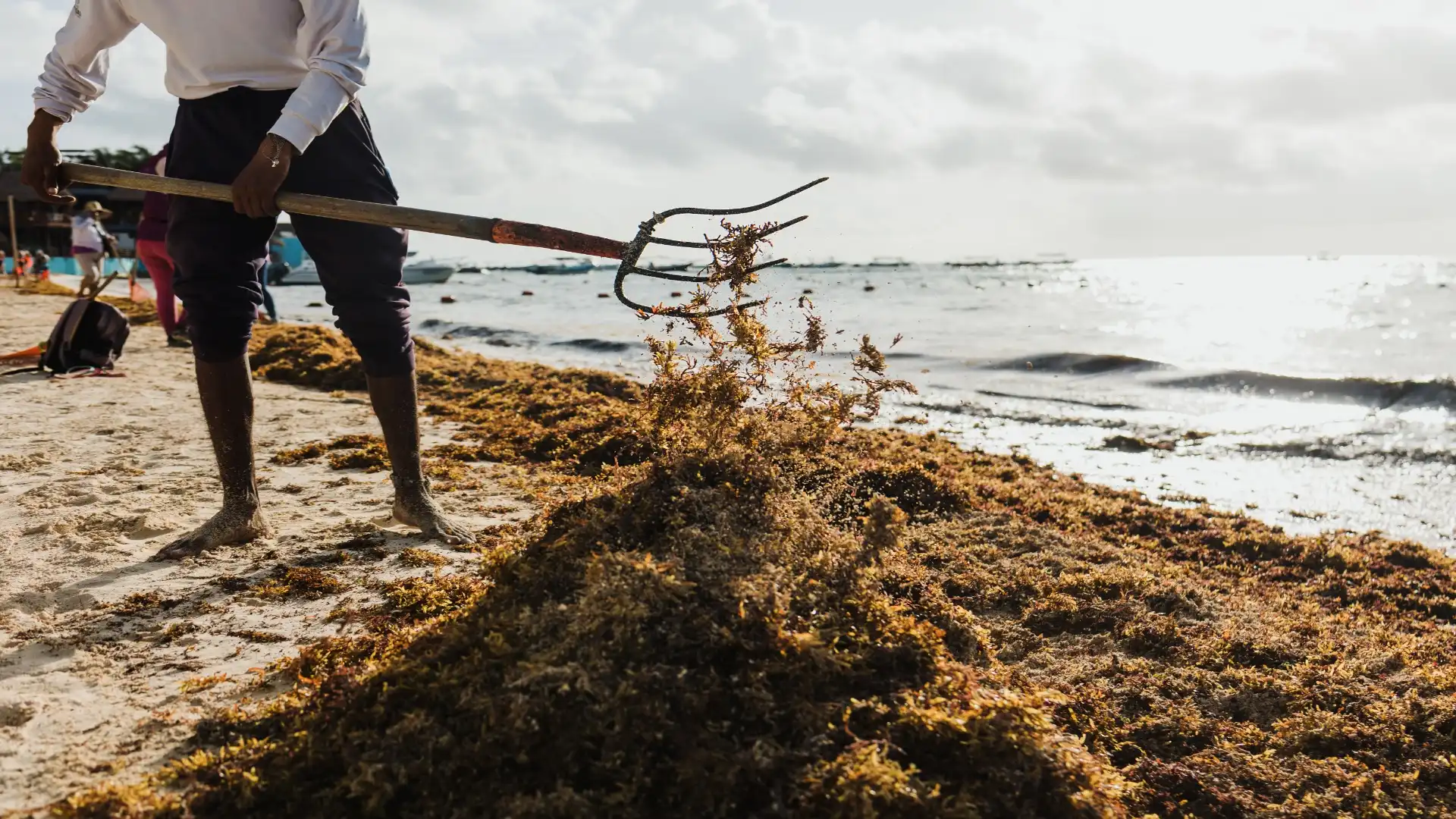
Because ocean currents and weather patterns change constantly, seaweed levels can vary from day to day. A beach that has significant seaweed in the morning may look much cleaner later in the afternoon after cleanup crews have completed their work.
Checking local reports before heading to the beach is one of the best ways to find favorable conditions during sargassum season.
Sargassum Map
A sargassum map is one of the most useful tools available for travelers visiting Cancun and Playa del Carmen.
These maps combine satellite imagery, local reports, and environmental monitoring systems to estimate current seaweed concentrations along the coast. They can help visitors identify beaches with lower levels of seaweed and plan activities accordingly.
Since conditions can change quickly, it is recommended to use updated maps and local information throughout your stay.
Sargassum Playa del Carmen Today
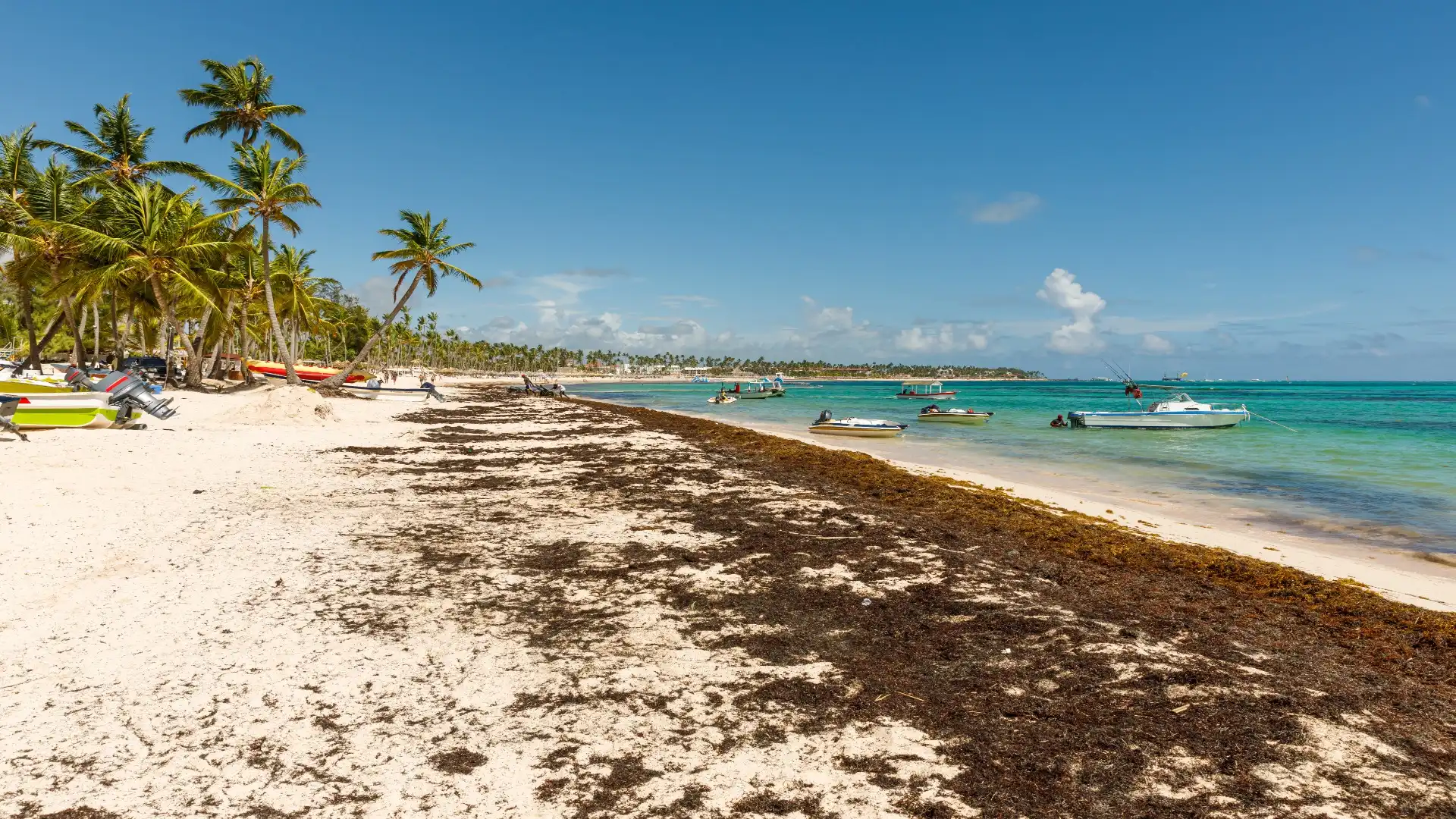
Playa del Carmen often receives larger amounts of seaweed because its coastline faces directly toward incoming Caribbean currents. However, conditions can vary considerably from one day to the next.
Many beaches undergo daily cleanup operations, helping maintain access to the shoreline even during periods of higher seaweed accumulation.
Sargassum Playa del Carmen Map
Using a Sargassum Playa del Carmen map can help visitors find beaches with more favorable conditions. Different sections of the coastline can experience different levels of seaweed at the same time. Monitoring local reports allows travelers to make informed decisions about where to spend the day.
Is Sargassum Dangerous?
The seaweed itself is generally not dangerous. Most visitors can safely walk near it or swim in areas where small amounts are present. The primary concern is usually comfort rather than safety.
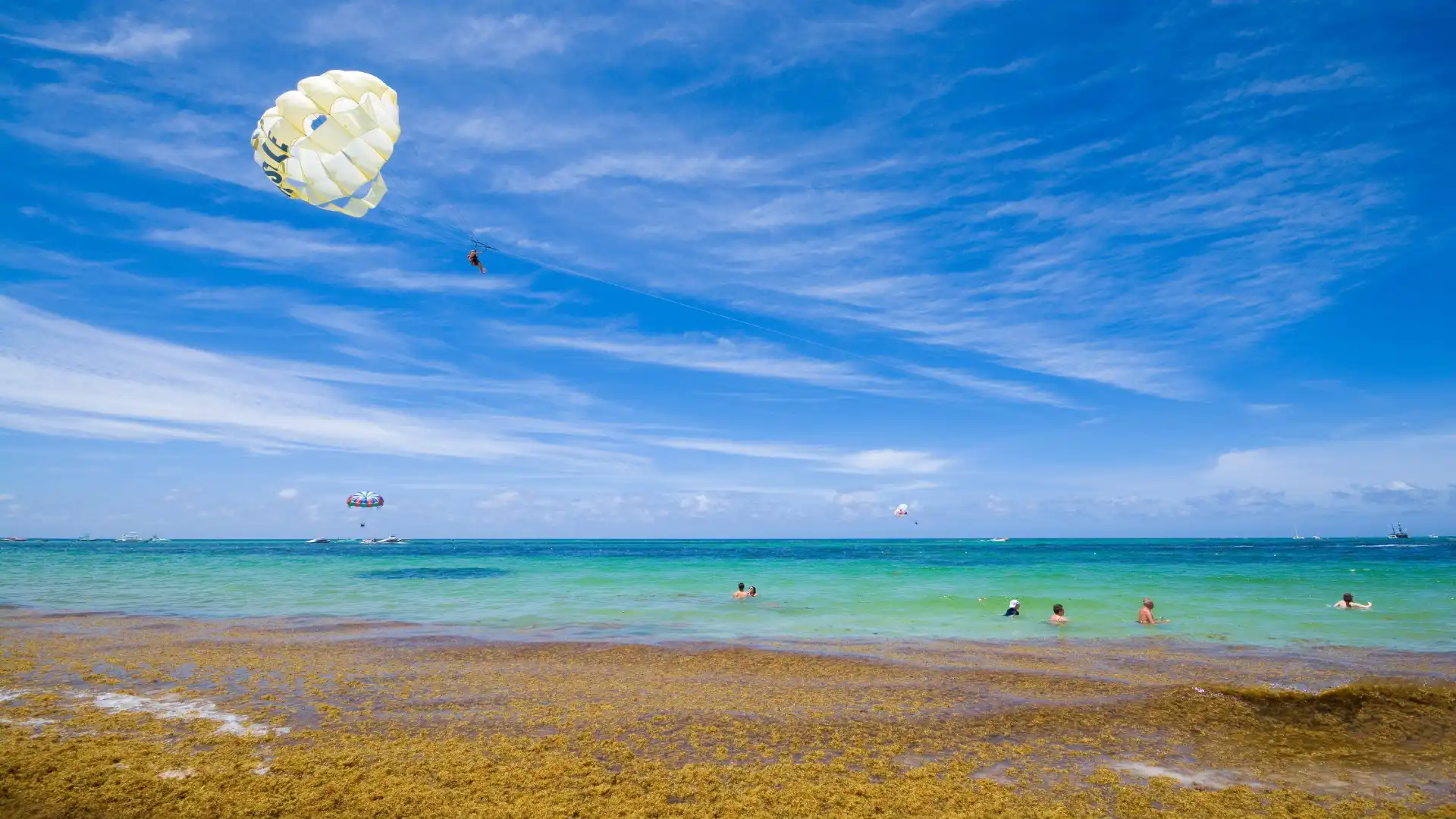
When large amounts accumulate and begin decomposing, they can affect the beach experience by creating odors and making certain areas less appealing for swimming or sunbathing.
Is Sargassum Toxic to Humans?
Fresh sargassum is not considered toxic. However, when it remains on the beach for extended periods and begins decomposing, it releases gases that can create an unpleasant smell. One of the most noticeable effects of seaweed accumulation is the sargassum smell.
Some sensitive individuals may experience mild irritation, headaches, or respiratory discomfort when exposed to large accumulations for long periods. For most visitors, however, the effects are limited to the odor and visual impact.
Fresh seaweed has very little odor. The smell develops after the seaweed begins decomposing under the tropical sun. Many people describe it as similar to sulfur or rotten eggs.
Is It Safe to Swim With Sargassum?
In most cases, yes. Swimming is generally safe when only small or moderate amounts of seaweed are present. Many visitors continue to enjoy the ocean even when some sargassum is visible near the shoreline.
If large amounts accumulate in the water, swimming may become less enjoyable because visibility decreases and entering the ocean can be more difficult. In these situations, many travelers choose nearby beaches, islands, lagoons, or cenotes.
Sargassum and Seaweed
Although many people use the terms interchangeably, sargassum and seaweed are not exactly the same thing.
Sargassum is one specific variety of seaweed. What makes it unique is its ability to float freely across the ocean instead of remaining attached to the seabed. This characteristic allows it to travel thousands of miles across the Atlantic before reaching Caribbean coastlines.
Sargassum Uses
Despite the challenges it creates, researchers continue exploring different sargassum uses.
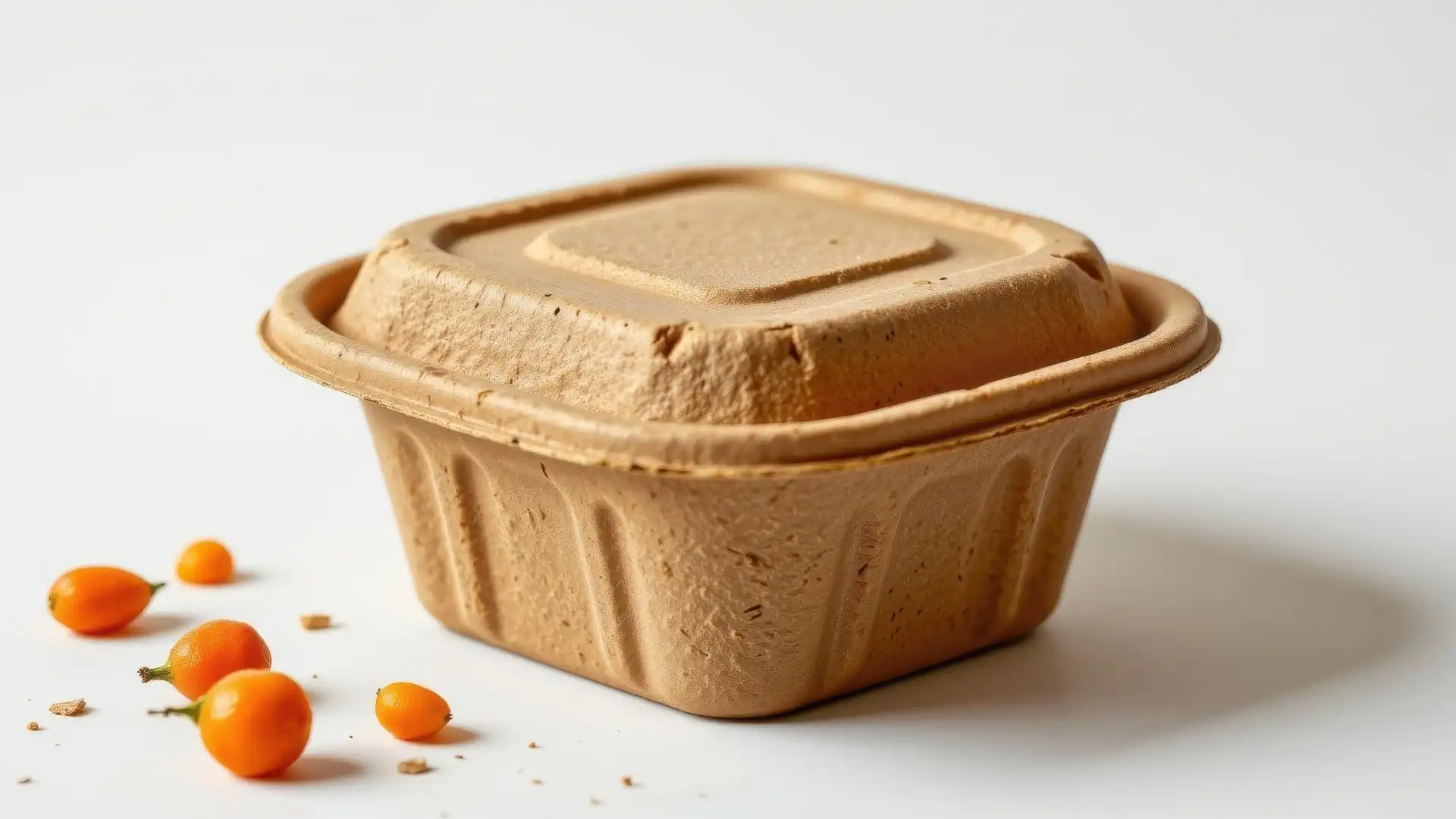
Scientists and companies are studying ways to transform collected seaweed into fertilizers, compost, biofuels, construction materials, and sustainable agricultural products.
Although large-scale commercial applications are still being developed, many experts believe sargassum could eventually become a valuable resource rather than simply a coastal nuisance.
Should You Visit Cancun or Playa del Carmen During Sargassum Season?
Absolutely. Millions of travelers continue visiting Cancun and Playa del Carmen every year despite seasonal seaweed arrivals. The Mexican Caribbean remains one of the most beautiful destinations in the world, offering stunning beaches, luxury resorts, cenotes, archaeological sites, world-class dining, and unforgettable experiences.
The key is staying informed. Check a reliable sargassum map, monitor local beach reports, and remain flexible with your plans. With proper preparation, you can still enjoy an incredible vacation in the Mexican Caribbean during the sargassum season in 2026.
Related Topics
PLANNING A TRIP TO CANCUN?
OUR TRAVEL CONSULTANTS ARE READY TO HELP YOU.
Related Topics
Continue Exploring

